 Business License

PCR Resin (Post-Consumer Recycled Resin): Definition, Benefits & Swanpoly Grades
Learn what PCR resin is, how it's made, and why GRS-certified PCR pellets from Swanpoly (rHDPE, rPP, rPET) help brands meet ESG, EU/US regulations, and food-grade safety requirements.
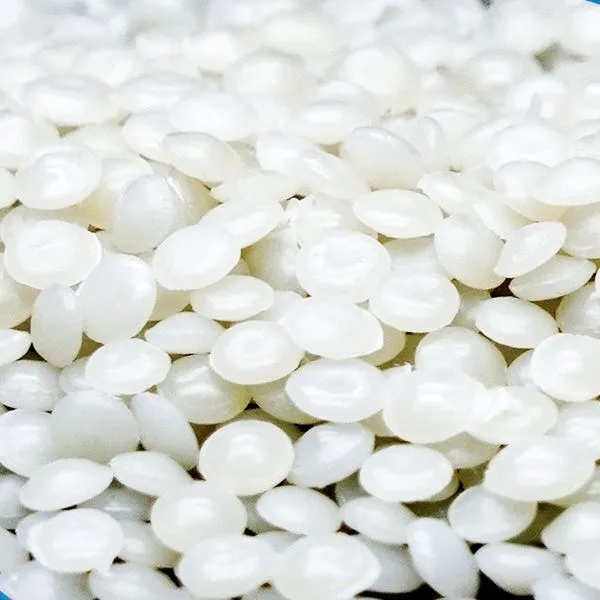
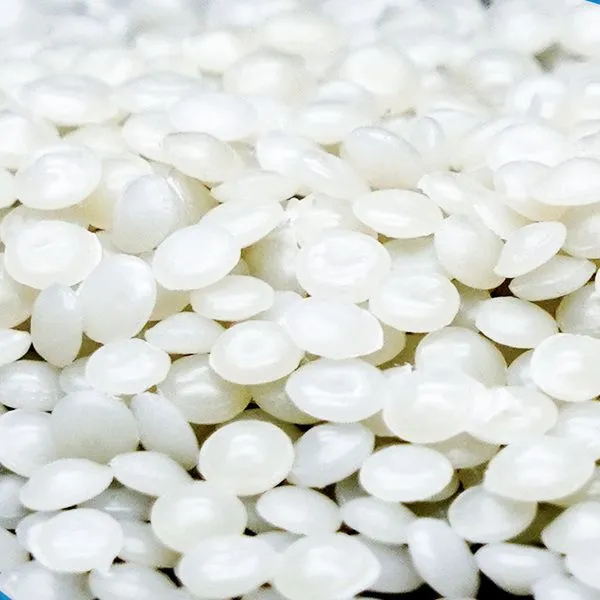
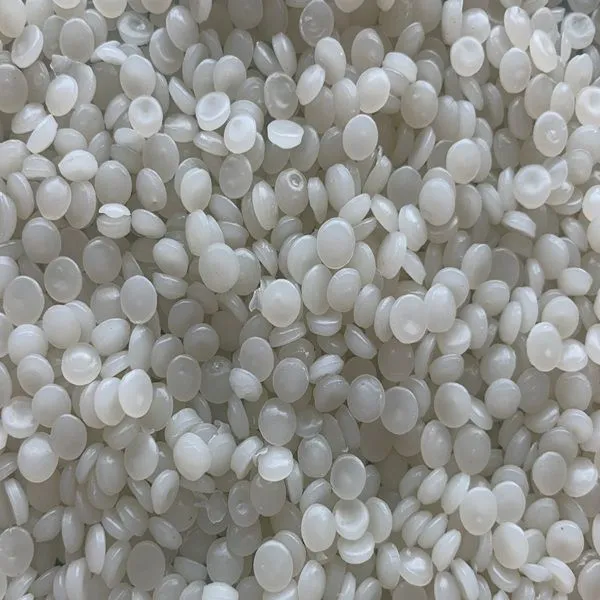
PCR resin (Post-Consumer Recycled resin) is recycled plastic made from items consumers have used and discarded—such as milk bottles, food containers, packaging, and bottles. After collection, the waste is sorted, deeply cleaned, shredded into flakes, and extruded into uniform pellets. These pellets become PCR resin, chemically matching virgin resin but with strong sustainability credentials.
Difference between PCR and Virgin resinVirgin resin is made from crude oil or natural gas, with consistent quality but high carbon footprint. PCR reduces CO₂ emissions by up to 60% vs virgin, uses less fossil fuel, and diverts plastic from landfills and oceans. The main tradeoff: premium PCR grades have stable MFI, color, and purity, while lower grades show more variability.
Common PCR resin types
PCR HDPE (rHDPE): Natural White / Milky White pellets for bottles, containers, household goods
PCR PP (rPP): For caps, closures, injection-molded parts
PCR PET (rPET): For beverage bottles and food packagingAll Swanpoly PCR grades are GRS-certified and meet FDA food-contact standards, with full traceability.
Key benefits of using PCR resin
Regulatory compliance: Meets EU packaging rules, US state laws (e.g., California SB 54), and EPR requirements.
ESG & brand value: Proves circular economy commitments and attracts eco-conscious buyers.
Cost efficiency: High-grade PCR often costs less than virgin while maintaining processability.
Performance: Modern decontamination technology makes PCR suitable for food-grade, cosmetic, and household applications.
Swanpoly PCR resin offeringWe supply Natural White rHDPE, Milky White rHDPE, rPP, and rPET pellets in bulk. Each batch includes complete TDS, COA, GRS TC, and FDA compliance documents. Whether you need food-safe packaging or durable consumer goods, our PCR resins deliver consistent quality, stable MFI, low ash/moisture, and reliable traceability.
Choosing Swanpoly PCR resin means choosing verified recycled content, lower carbon footprint, and compliance with global sustainability standards—without compromising performance.
Recently Posted
-
Virgin & Recycled Plastic Resin Including rHDPE, rPP for Global Industrial Production
July 16, 2026Plastic resin is the fundamental raw material for all plastic products, also known as plastic base material. It can be divided int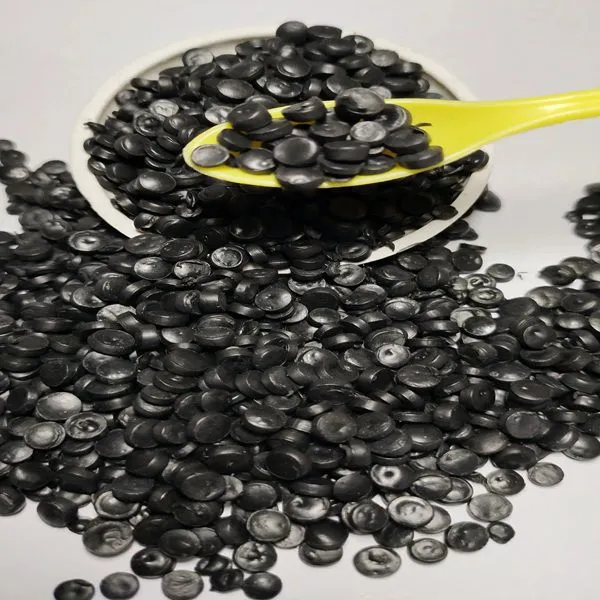 Read More
 -
Why More Manufacturers Choose Recycled rHDPE Instead of Virgin HDPE in 2026
June 29, 2026Comparing performance, price and policy adaptability between virgin HDPE and PCR recycled rHDPE, more downstream factories turn to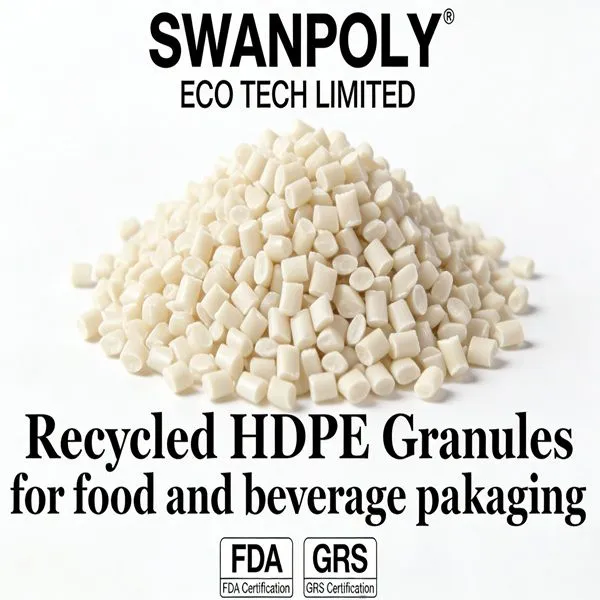 Read More
 -
Rising Demand for PCR HDPE Materials Drives Global Sustainable Plastic Industry Growth
June 29, 2026With stricter global carbon emission policies and plastic recycling regulations, high-quality PCR HDPE, rHDPE pellets and clean HD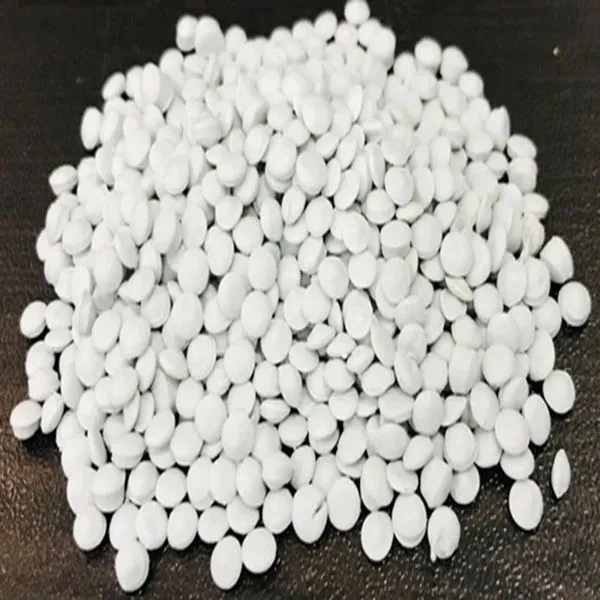 Read More
 -
Global Food & Cosmetic Packaging Industry Increases Usage of Food Grade PCR rHDPE
June 29, 2026Food contact and cosmetic packaging industries raise higher requirements on plastic raw material safety. Low odor, non-toxic and P Read More

Contact Us
Recommended Products
-
 Stable Fluidity Recycled RHDPE Raw Material for Wiring Duct & Electrical Conduit Extrusion ProductionUS$ 500 - 1500MOQ: 25 Tons
 -
Export Standard PCR RHDPE Clean Flakes | HDPE Scrap ChipsUS$ 600 - 1500MOQ: 25 Tons
-
High Stability Recycled RHDPE Plastic ResinUS$ 600 - 1500MOQ: 25 Tons
-
Eco-Friendly PCR RHDPE Recycled Plastic ResinUS$ 600 - 1500MOQ: 25 Tons
-
Universal Recycled HDPE Plastic Pellets for General Processing | Recycled Plastic ResinUS$ 600 - 1500MOQ: 25 Tons
-
Food Grade PCR RHDPE Recycled Plastic Resin | Swanpoly RHDPE GranulesUS$ 900 - 1500MOQ: 25 Tons
-
Industrial Grade Recycled RHDPE Plastic Pellets | PCR RHDEP Granules for Plastic PalletsUS$ 900 - 1500MOQ: 25 Tons
-
Premium Grade PCR RHDPE Plastic Flakes | High Density Polyethylene ResinUS$ 900 - 1500MOQ: 25 Tons
-
High Purity Post-Consumer Recycled PCR HDPE Raw MaterialUS$ 900 - 1500MOQ: 25 Tons
-
Virgin & Recycled Plastic Resin Including RHDPE, RPP for Global Industrial ProductionUS$ 900 - 1500MOQ: 25 Tons